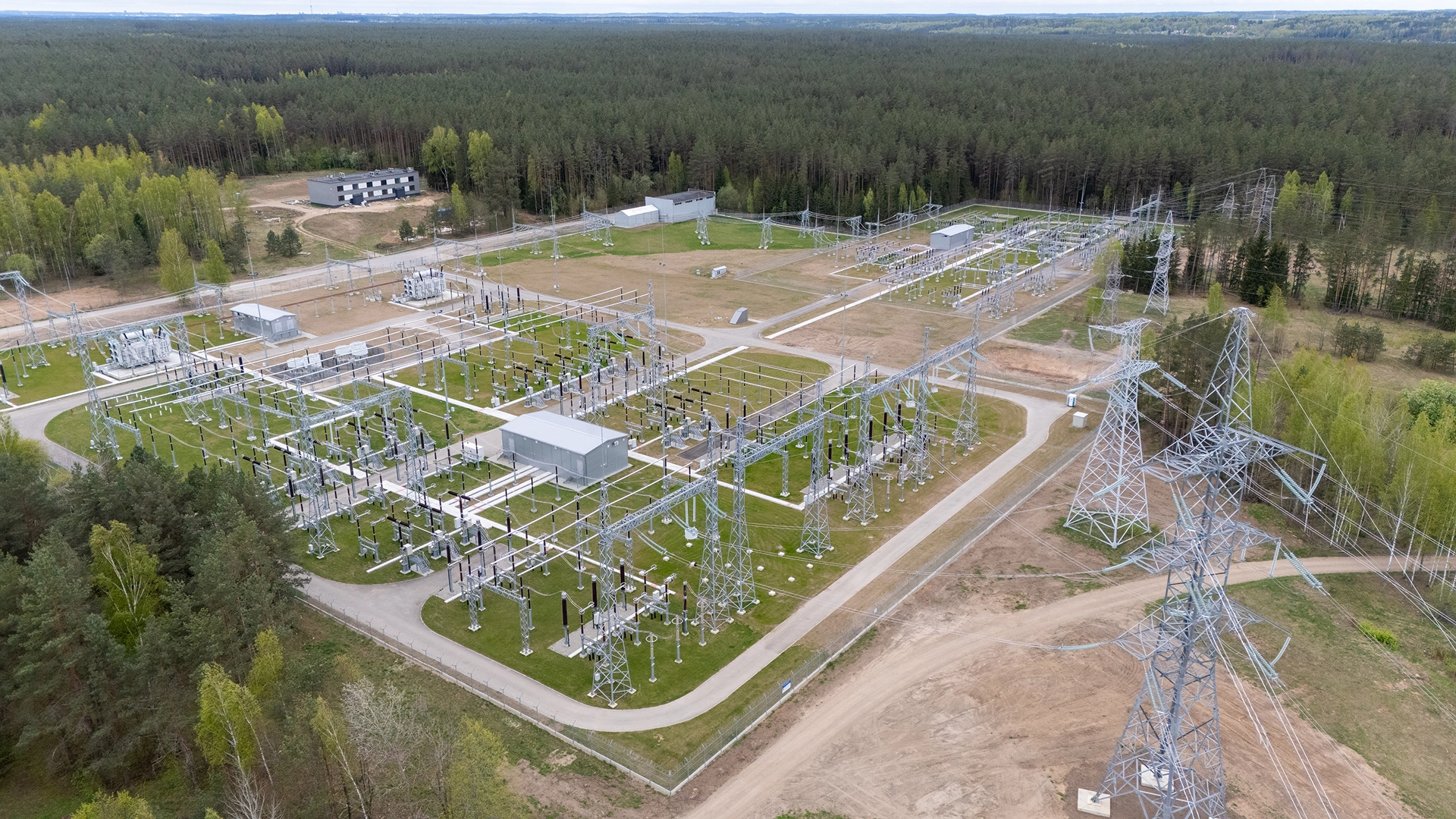
Integrate firm, dispatchable capacity into your network.
Add capacity faster
Deploy pressure-recovery projects on timelines measured in months to address near-term load growth.
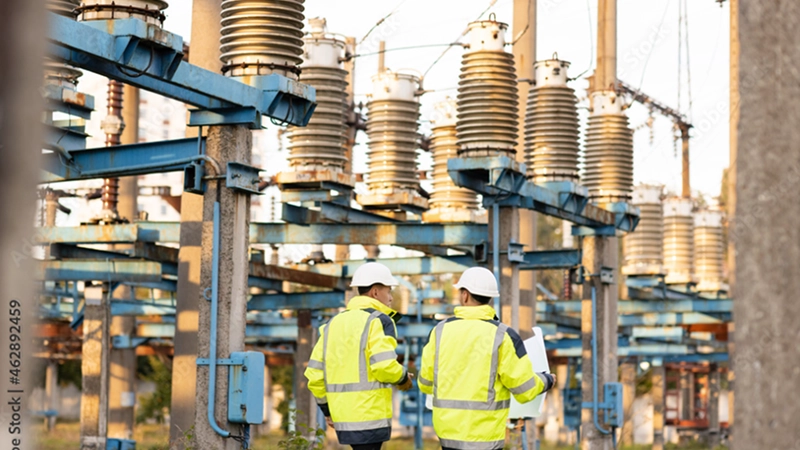
Site near load
Co-locating generation with substations or load pockets can reduce delivery losses and strengthen local resilience.
Reduce emissions exposure
No-combustion power generation can reduce the carbon intensity of incremental capacity additions.

Advised by the industry
Rethinking how utilities add distributed capacity


Procurement
Sapphire offers direct-purchase and service-based structures so utilities and project partners can align deployment speed with financial and ownership preferences.

Direct Purchase
Create long-term asset value through capital ownership.
Aftermarket Support
Turnkey maintenance support is available for purchased equipment.
Project Incentives
Incentive availability depends on project structure, location, and use case. The federal clean electricity investment tax credit is available for integrated power and cooling systems.
Service Offering
Power can be delivered through service-based structures with predictable commercial terms.
Ongoing Operation
Sapphire can support long-term plant operations and technical services.
Development
Sapphire supports siting, project development, installation, and commissioning to bring distributed capacity online with less implementation risk.

Siting
Identify pressure-reduction assets and nearby load opportunities.
Financing
Select the commercial structure and secure project financing.
Permitting
Advance approvals using a no-combustion, sealed-system design.
Installation
Factory-built systems are shipped to site for streamlined deployment.
Operation
Support continues after commissioning through technical service and aftermarket programs.
Building your pressure power plant
How can Sapphire’s equipment be used to improve grid resilience?
By placing modular generation close to load, utilities can improve local reliability and reduce dependence on long-distance delivery.
How does pressure recovery fit utility procurement models?
Recovered power can be sold through power purchase agreements, used in distributed generation programs, or integrated into broader resource strategies that value local, modular capacity.
Where are utility projects typically sited?
Strong candidates include pressure-regulation facilities, city gates, and locations near substations or load pockets where distributed capacity is most valuable.
What makes this capacity faster to add than conventional generation?
What makes this capacity faster to add than conventional generation? The infrastructure already exists, the energy is already moving, and the systems are modular. That combination can shorten development timelines compared with large new-build projects.