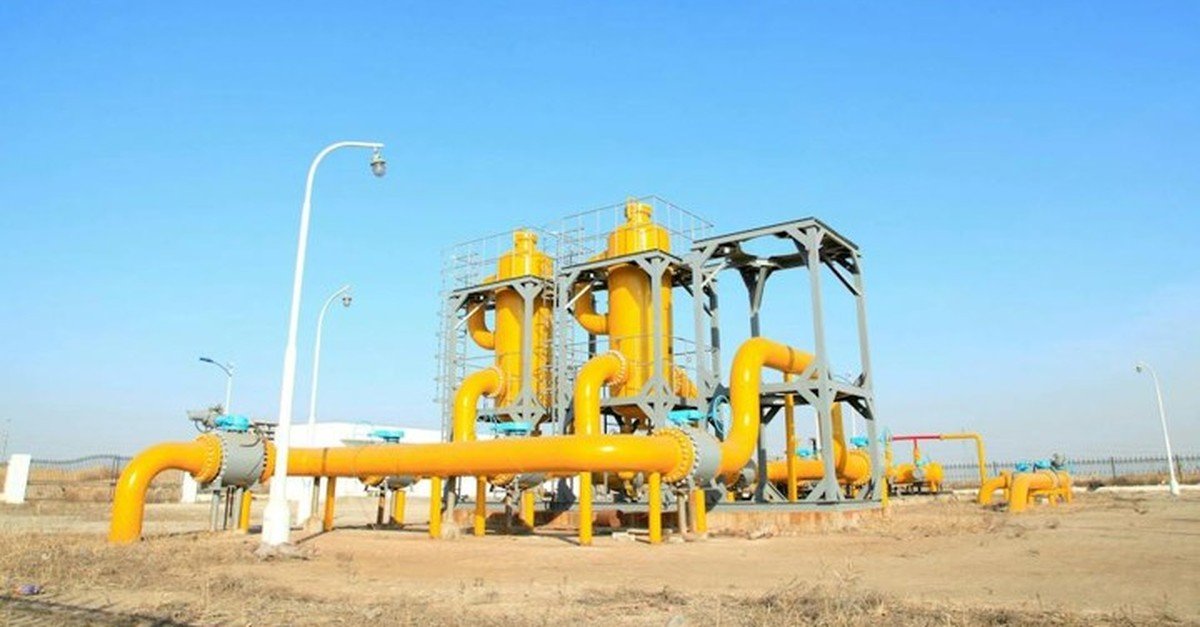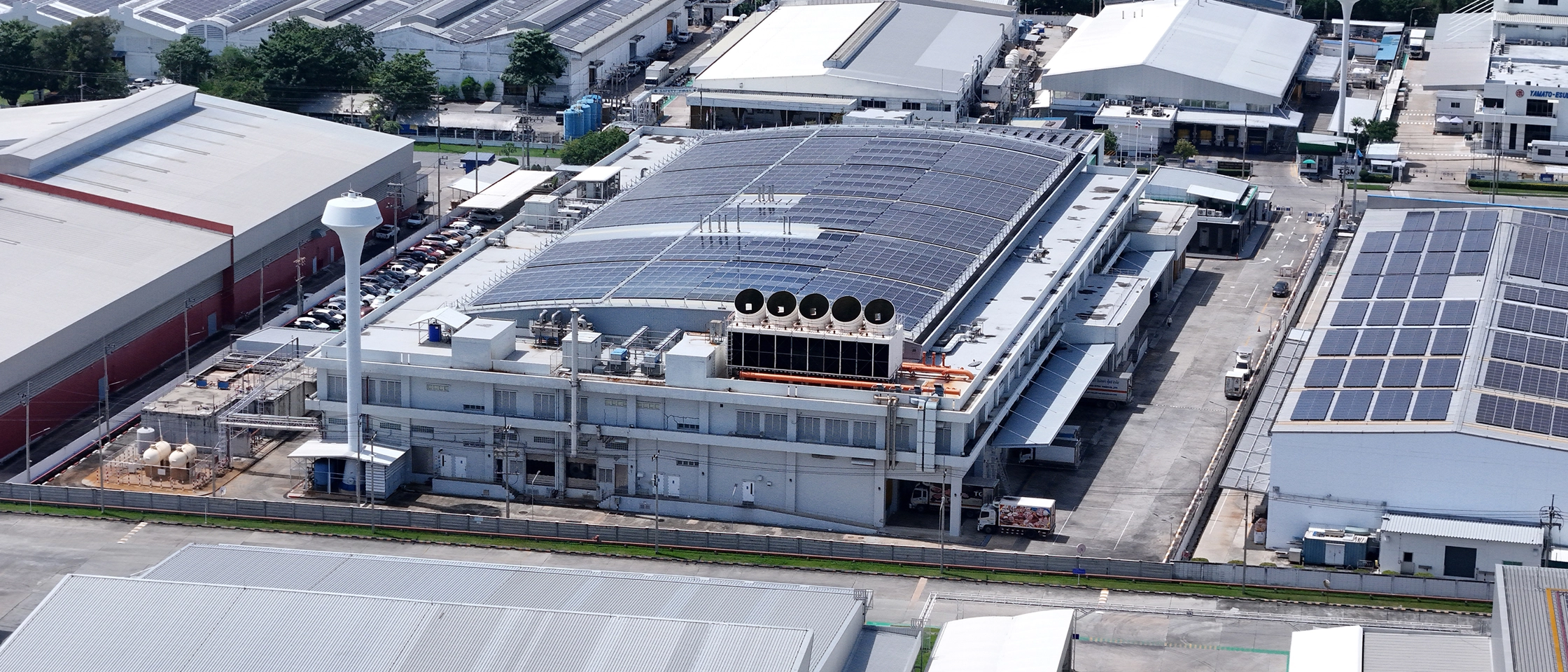
Data centers need both power and cooling to operationalize. Sapphire unlocks both constraints with its oil-free compressor and turboexpander generator product offerings.
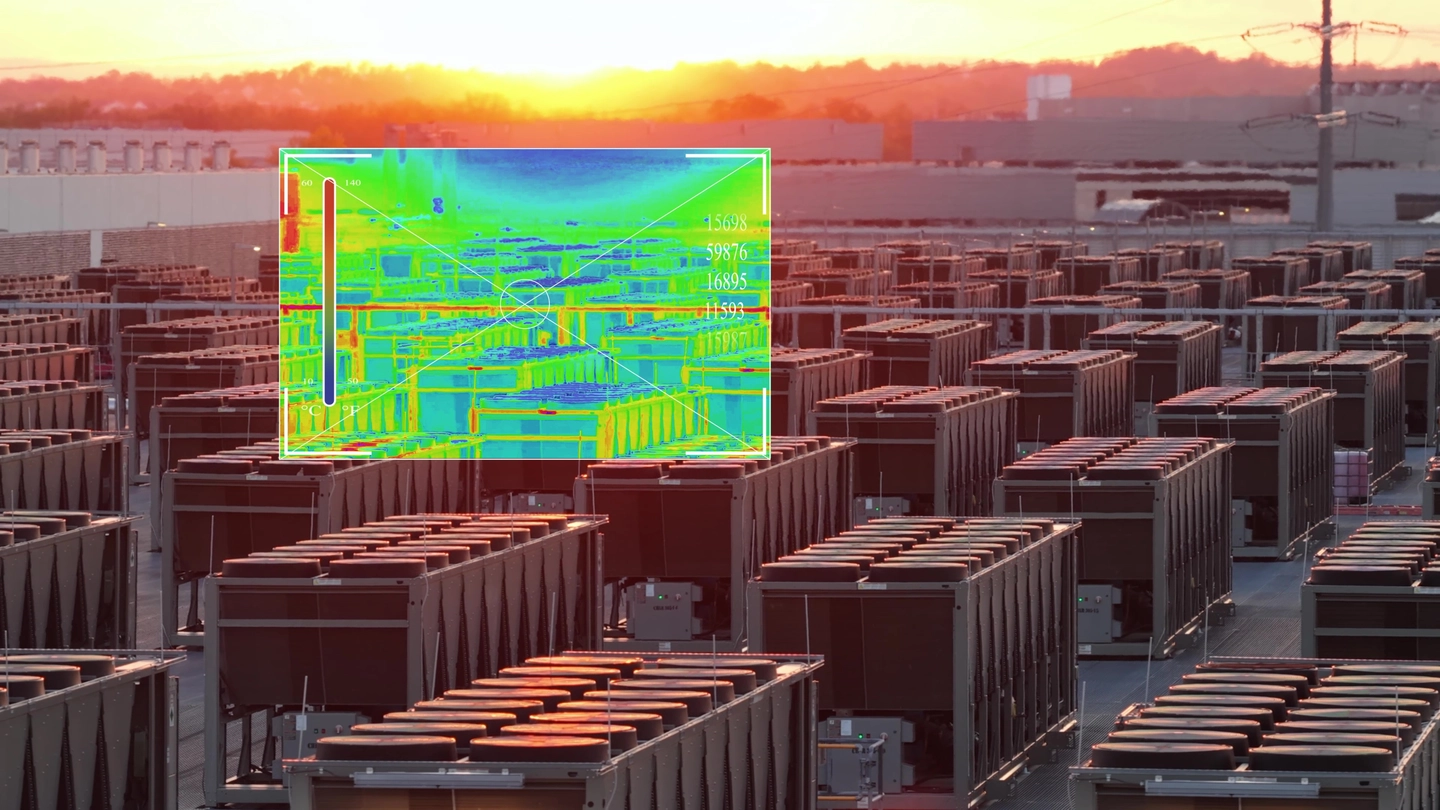
Oil-free magnetic bearings and high-speed permanent magnet motors hold full capacity and efficiency at ambients up to 140°F.
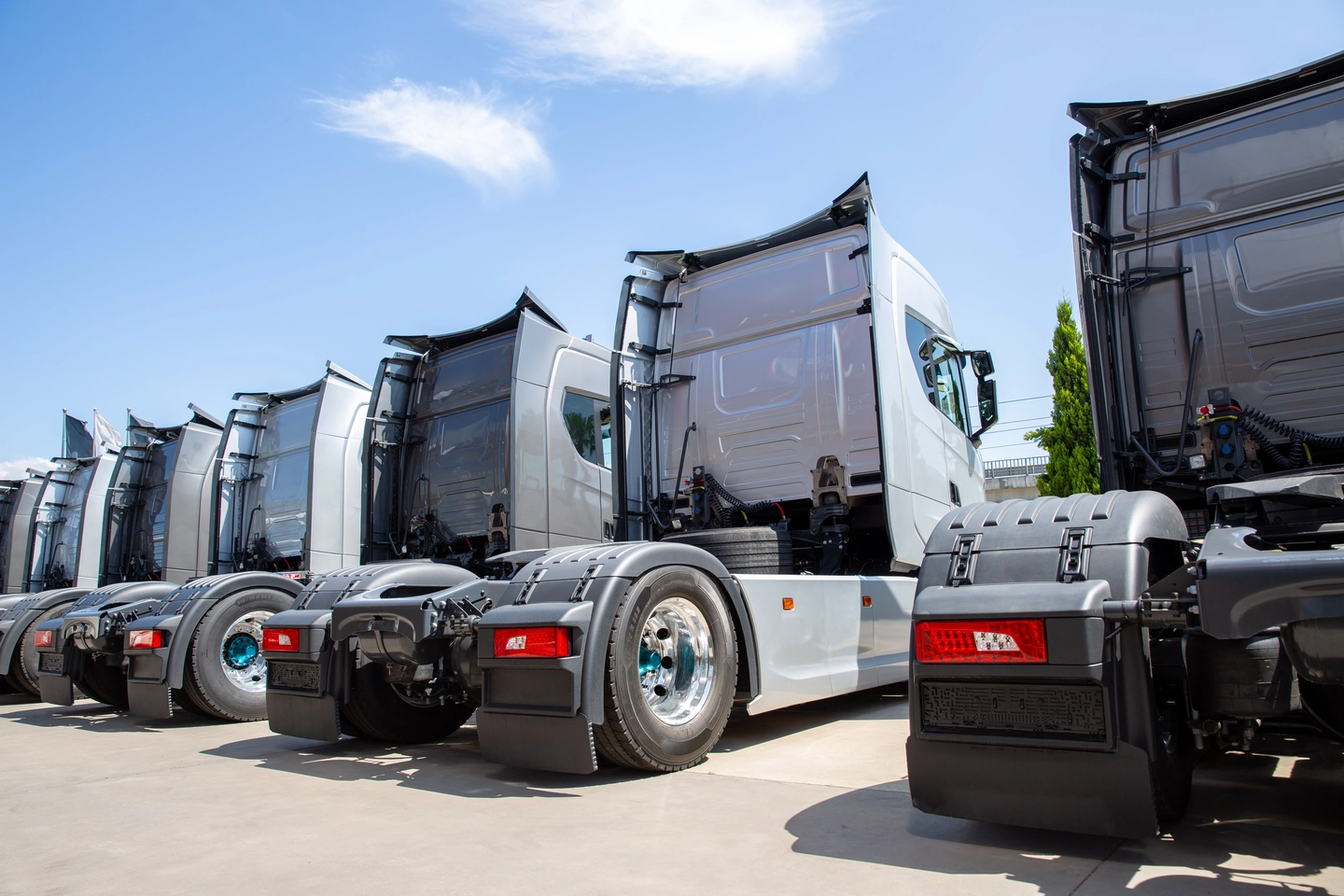
Sapphire adds dedicated compressor capacity to a supply-constrained market so your chillers ship on time.
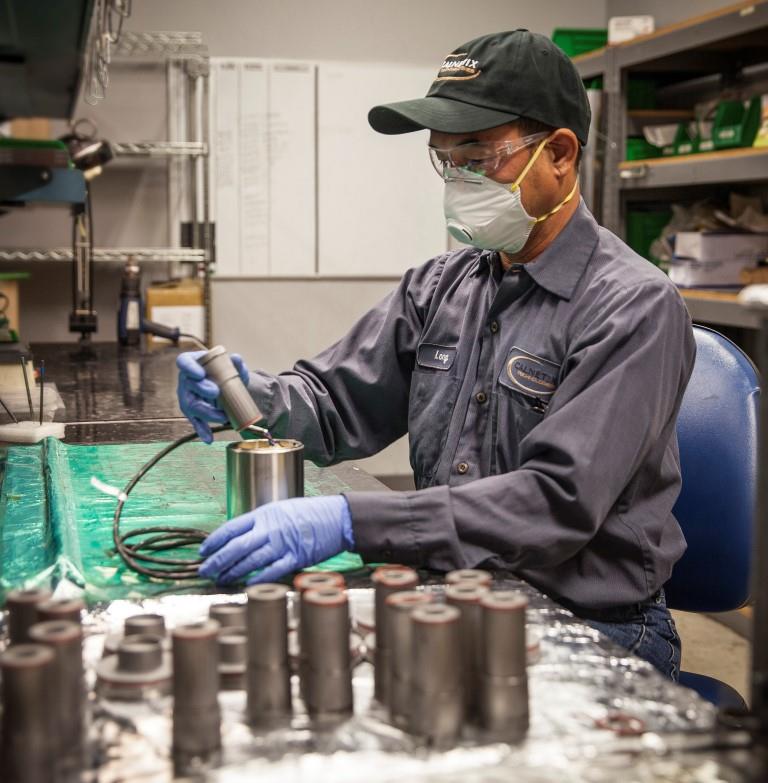
Sapphire has built magnetic bearing compressors from small frames to megawatt-class machines, so the compressor scales to fit your chiller.
Heat is rejected to ambient air with no water consumption, enabling compact, modular chiller designs. Local ambient temperatures can exceed 130°F, creating a high lift requirement most compressors cannot meet. Sapphire's high lift compressors operate at ambient temperatures up to 140°F and hold efficiency across the chiller's operating range.
A cooling tower holds chiller operating temperature low and steady, but can consume millions of gallons of water per year. As data centers replace towers with dry coolers, condensing temperatures rise and the chiller needs a high lift compressor to keep capacity. Sapphire's high lift compressor retrofits into these plants with the same oil-free, magnetic bearing architecture.

Designed for the data center industry's most demanding high lift chillers.

Frictionless rotor operation with AI-enabled diagnostics.

Sensorless control with built-in protection and remote monitoring.

IEEE 519-compliant active front-end drives with 800 VDC capabilities.
Rethinking how data centers design power and cooling systems


Local ambient temperatures around an air-cooled chiller can exceed 130°F, creating a high lift requirement: condensing pressure moves far off-design, and most compressors lose capacity and efficiency. Sapphire's high lift compressor is designed for high lift, with full performance at ambients up to 140°F.
Yes. Active magnetic bearings levitate the rotor with no contact and no oil: no oil-management system, no oil fouling of heat exchangers, and no lubrication circuit to maintain.
Speed is the capacity control. The drive turns the compressor down with no hot-gas bypass and no throttling losses, tracking part-load hours efficiently.
The compressor accepts 800 VDC or 480 VAC and carries an onboard liquid-cooled active front-end drive that is IEEE 519 compliant without external filters.
Yes. Air-cooled chillers reject heat to ambient air with no water consumption, while cooling towers on water-cooled plants can evaporate millions of gallons per year.
The truckable air-cooled chiller is sold out into 2027, and compressor supply is the constraint. Sapphire adds dedicated, US-based compression capacity to the chiller supply chain, designed and built in Cypress, California.
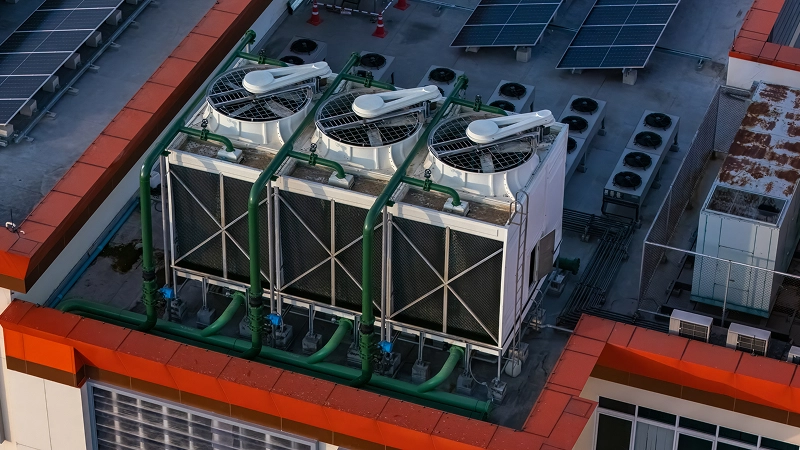
Generate electricity and low-temperature cooling from existing gas infrastructure to reduce refrigeration load and improve PUE.
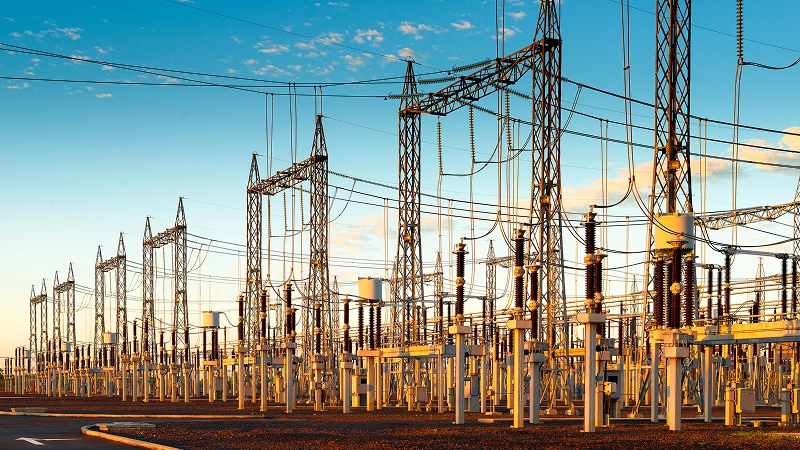
Deploy modular, behind-the-meter capacity on timelines measured in months.

Use recovered energy as part of a diversified campus architecture alongside utility supply, engines, turbines, storage, and other distributed resources.
As separate systems, generation and cooling each add complexity and cost to site operations. FreeSpin® combines both in one system, generating on-site electricity while producing a cold fluid stream that can support facility heat rejection and reduce cooling burden.
FreeSpin® is a modular pressure-to-power system designed for rapid deployment. It converts pressure reduction into on-site electricity and cooling with no added fuel or combustion. Built in and shipped from the United States.

Integrated power and cooling from wasted pressure energy.
Frictionless rotor operation with AI-enabled diagnostics.
IEEE 519-compliant active front-end drives with 800 VDC capabilities.
Rethinking how data centers design power and cooling systems
Sapphire supports siting, project development, installation, and commissioning to bring distributed capacity online with less implementation risk.
Identify pressure letdown points, flow regimes, and nearby load to size and locate the system.
Direct purchase, service-based structures, and available incentives are matched to the project's ownership goals.
Hazardous-area rated, no-combustion equipment simplifies air and safety permitting compared with fueled generation.
Skid-mounted modules install in parallel with existing regulating equipment, typically within months.
Remote monitoring and Sapphire technical services support long-term plant operation.

Sapphire offers direct-purchase and service-based structures so campus owners and project developers can align deployment speed with financial and ownership preferences.

Create long-term asset value through capital ownership.
Turnkey maintenance support is available for purchased equipment.
Incentive availability depends on project structure, location, and use case. The federal clean electricity investment tax credit is available for integrated power and cooling systems.
Power can be delivered through service-based structures with predictable commercial terms.
Sapphire can support long-term plant operations and technical services.
FreeSpin® reduces cooling burden while adding on-site electricity, helping operators improve campus efficiency with one integrated system.
The strongest fit is for projects facing grid constraints, long delivery timelines, or high cooling demand, especially enterprise, colocation, edge, and smaller-to-mid-sized campuses.
The system produces cold fluid during gas expansion, which can be exchanged with the facility’s cooling loop to support heat rejection.
As new AI campus builds accelerate, developers are assembling hybrid power stacks to close near-term capacity gaps. FreeSpin® adds recovered behind-the-meter power and cooling from processes already occurring on-site, improving efficiency without new fuel demand.