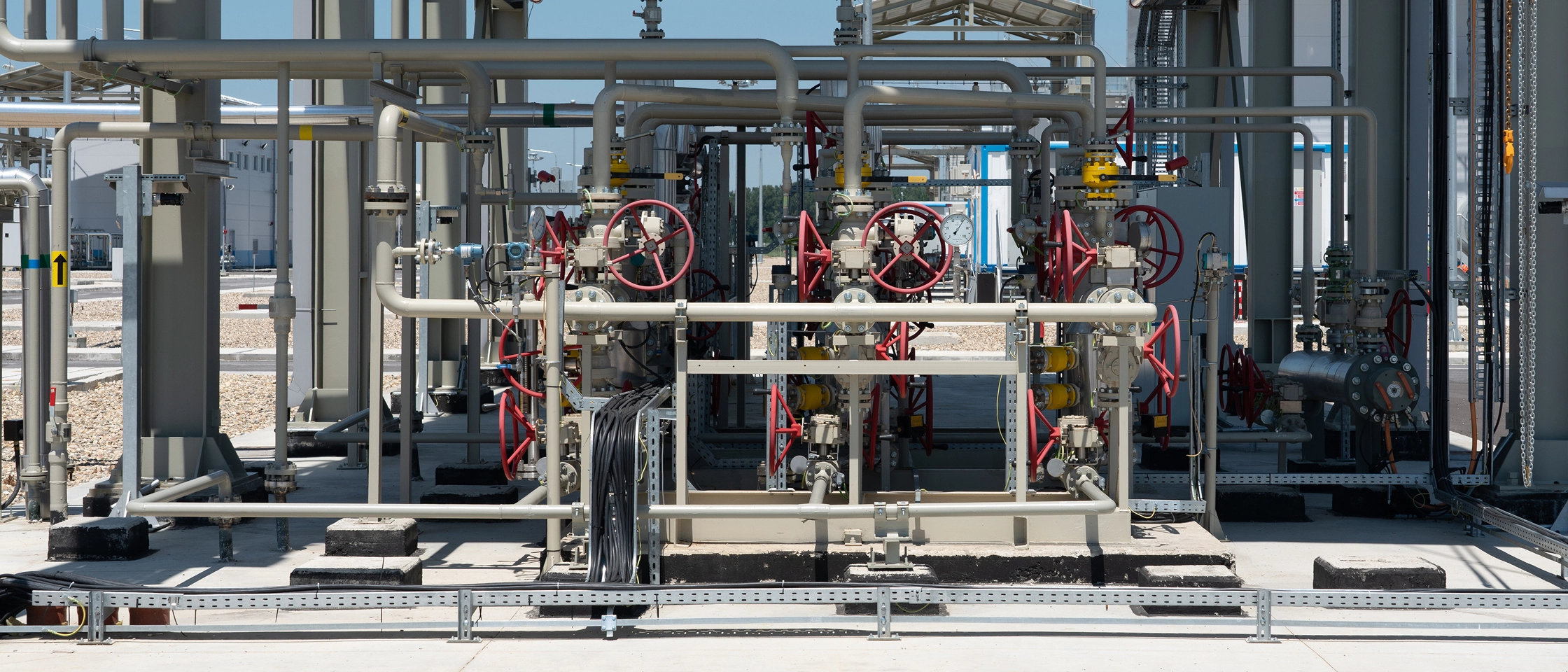
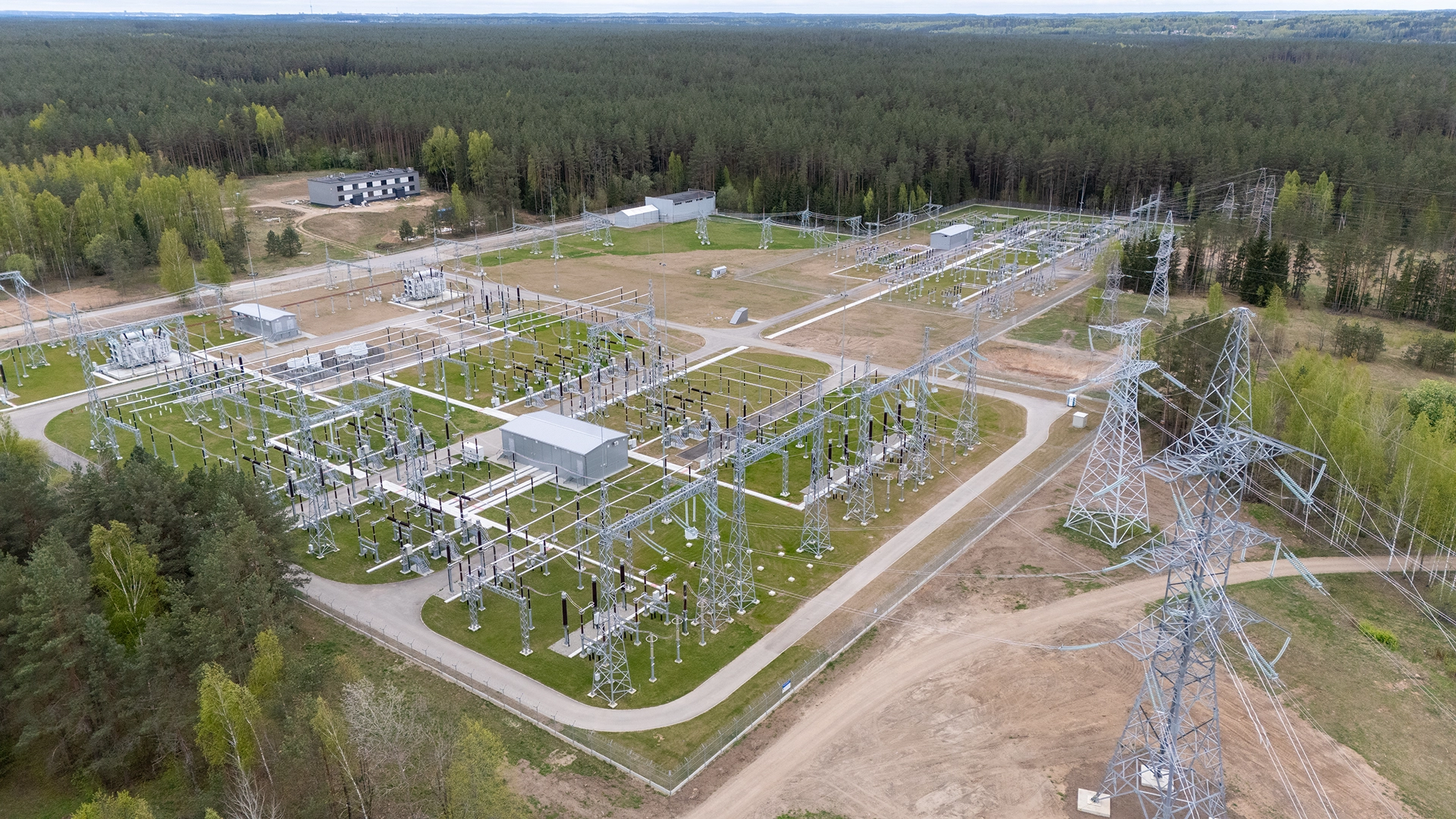
FreeSpin® delivers integrated power and cooling from wasted pressure energy.

Hermetically sealed enclosure
No water, oil required
No-combustion pressure conversion
Component 01 of 04
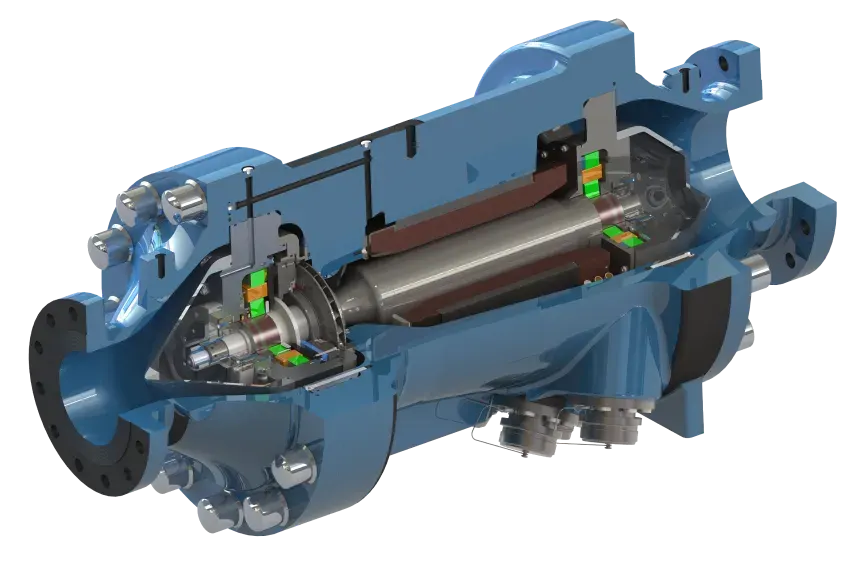
High pressure gas enters the inlet of the FreeSpin® In-line Turboexpander and expands through the radial in-flow turbine wheel. As the gas expands and its pressure drops, the energy released spins the wheel at high speed. The wheel is directly coupled to the generator rotor, so the pressure energy that would otherwise be wasted across a regulating valve is converted into rotational energy with no gearbox in between.
Component 02 of 04
The rotor is levitated on non-contact active magnetic bearings (AMBs). Position sensors and a digital controller adjust the bearing electromagnets thousands of times per second, so the rotor spins with no friction, no oil, and no wear. AMBs consume very little energy, eliminate the lubrication system and dynamic seals, and provide continuous condition monitoring of the rotor.
Component 03 of 04
The permanent magnet (PM) synchronous generator has variable speed and load capabilities and can operate at speeds up to 30,000 rotations per minute. The PM generator is directly coupled to the expander wheel: it converts the rotational energy created by the depressurized gas moving through the wheel into electricity. The PM generator consists of a powered stator coil, which creates an electric field, and a magnetic rotor that rotates within that field. The latest technology in rare earth magnets is used to achieve high efficiency and high power density.
Component 04 of 04
The turboexpander and generator are contained in a single hermetically sealed housing rated for hazardous area installation. The process gas flows through the machine and cools the generator stator and rotor, so no external cooling or lubrication is required. Explosion proof connectors carry the generated power out to the power electronics unit, which is located outside the hazardous zone and conditions the output for the grid or local load.
A four-pole permanent magnet synchronous generator turns on the same shaft as the expander wheel, reaching 97 to 98% electromagnetic efficiency at rated speed with no gearbox and no oil.

Because they can be sited alongside existing gas infrastructure and co-located with the load, these projects are often developed behind the meter or off-grid. That can shorten the timeline to commercial operations compared with projects that depend on utility interconnection.
Pressure reduction is a continuous operating requirement in the gas value chain. FreeSpin® captures that ongoing energy flow to deliver steady electricity and cooling.
Most major system elements are standardized and can be factory-assembled in advance. This modular approach to manufacturing reduces field work and supports shipment in months, not years.
The rotating shaft is supported by active magnetic bearings, which eliminate mechanical contact in normal operation. That reduces wear and extends design life compared with conventional rotating equipment.
FreeSpin® generates electricity and cooling through pressure expansion. That design can reduce permitting complexity versus conventional combustion technologies that create greenhouse gases.
The system converts pressure energy already present in the gas stream into rotational energy for electricity generation, while also producing cooling during expansion. No separate combustion process is required.
Most of the system can be fabricated off-site and delivered on a ready-to-install skid. For many projects, installation and commissioning can be completed in days so power and cooling come online quickly.
Baseload projects are a strong fit anywhere pressure is routinely reduced, including transmission systems, processing facilities, distribution assets, and industrial sites with steady local load..