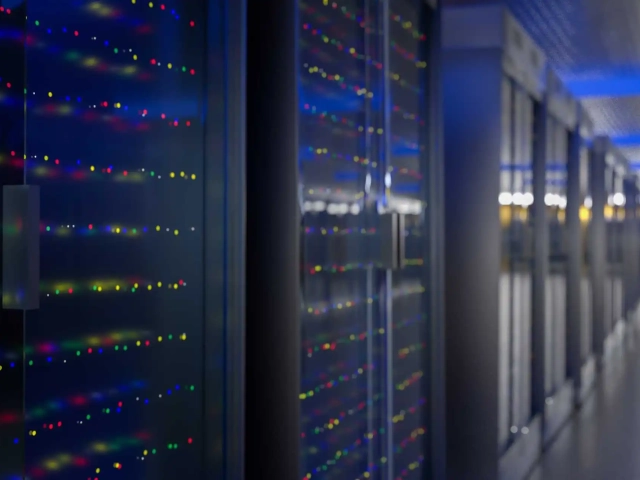
Data center operators are facing an energy challenge.
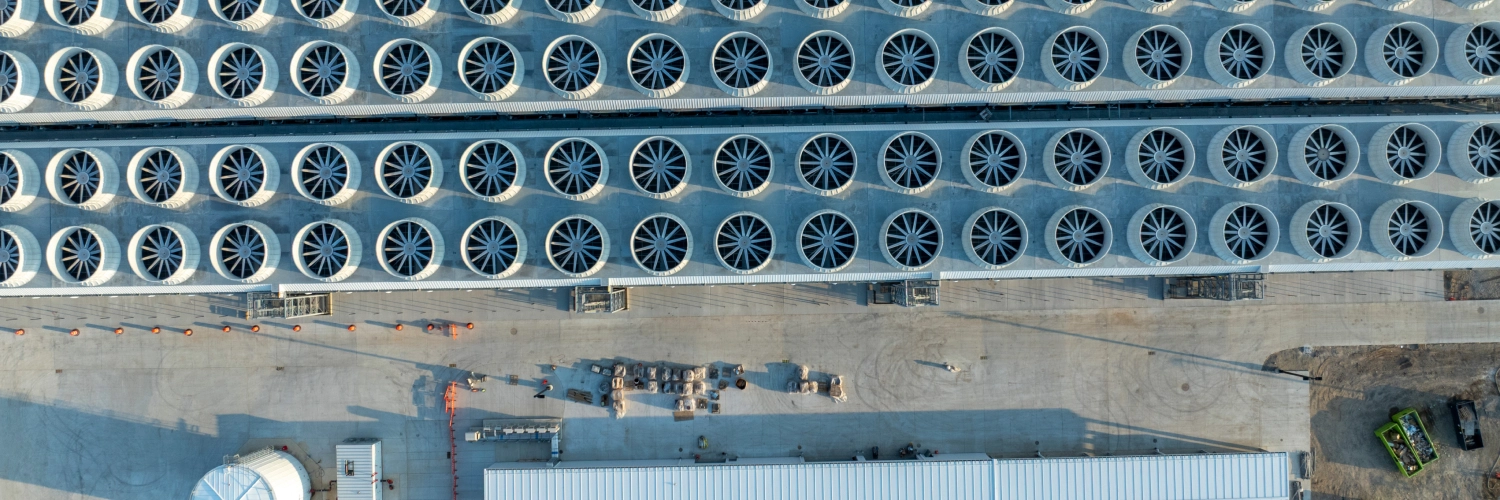
Cooling can account for 30 to 40 percent of total campus electricity consumption, making it one of the largest drivers of operating cost and power usage effectiveness (PUE). At the same time, access to reliable, affordable power is becoming more constrained, particularly for smaller campuses that lack hyperscale-sized negotiating leverage.
While many solutions focus on optimizing equipment inside the cooling system, another opportunity exists at the point where energy enters a facility’s fenceline.
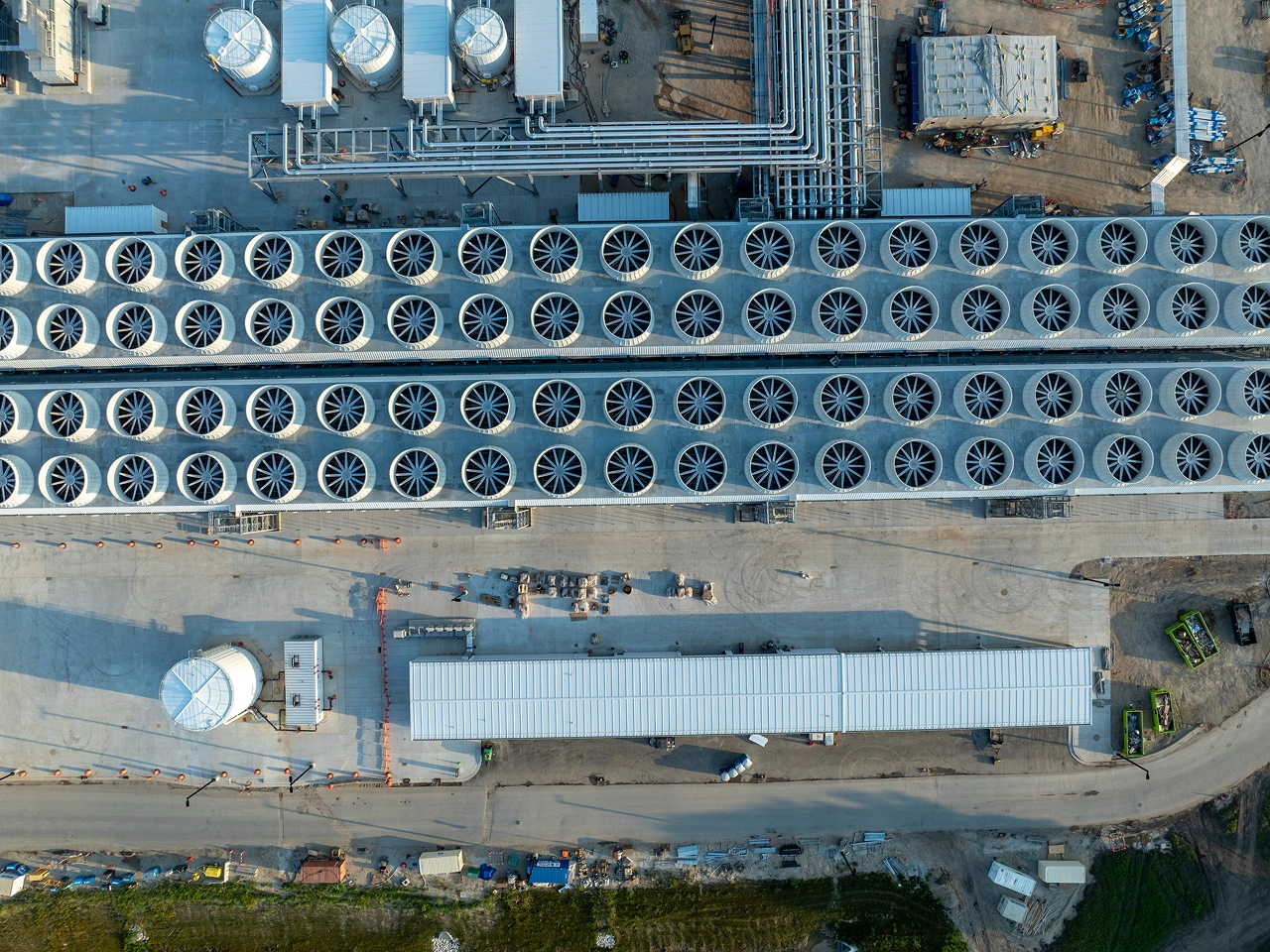
As compute density increases, cooling requirements rise. Liquid cooling, thermal storage, and more efficient chillers help manage heat, but they do not eliminate the underlying load. For many operators, cooling remains a persistent drag on PUE, operating cost, and reliability.
At the same time, grid interconnection delays, transmission constraints, and rising power prices are forcing operators to look beyond traditional utility supply. This is especially true for enterprise and colocation data centers, which need dependable baseload power but lack access to large-scale generation or favorable interconnection terms.
Across the United States, natural gas moves through more than three million miles of transmission and distribution pipelines. At thousands of pressure letdown stations along those pipelines, gas is reduced from high transmission pressure to low downstream pressure. Traditionally, this process is handled by valves that dissipate pressure energy without recovering it.
Sapphire Technologies’ FreeSpin® In-line Turboexpander replaces those valves to convert pressure letdown into usable electricity. Installed at a pipeline’s letdown station, the system generates emissions-free electrons using energy that would otherwise be wasted.
Critically for data center coolant distribution units (CDU), the power generation process also produces a cold fluid stream. That cold can be transferred through heat exchangers to offset a significant portion, and in some configurations the entirety, of a CDU’s cooling load. The result is an integrated power and cooling system that delivers both baseload electricity and heat exchange capacity.
This model can transform operational metrics for data centers that:
Sapphire’s turboexpander technology is already deployed at scale in natural gas midstream, upstream, and downstream applications. A recent example is the CNX + SLB partnership, where turboexpanders were installed at a natural gas well to generate clean power from reservoir pressure. Read the case study here. The ability to generate cheap power and cooling at existing natural gas facilities, which are typically outside of city centers, expands siting options for edge service providers and facilitates projects in rural areas.

Pressure-to-power systems improve PUE by reducing cooling load while providing on-site baseload generation that enhances reliability and reduces dependence on constrained grids. Because the electricity is generated without combustion, these systems deliver 100 percent clean power with zero direct emissions.
Rather than treating cooling and power as separate challenges, greenfield siting and brownfield integration of data centers with pressure letdown infrastructure allows operators to address both with a single system. As energy constraints tighten, this integrated approach to power and cooling offers a practical path to lower PUE and reduce operating costs.